How I Built a Growth Outbound OS With Dust AI Agents
 Martin Boudon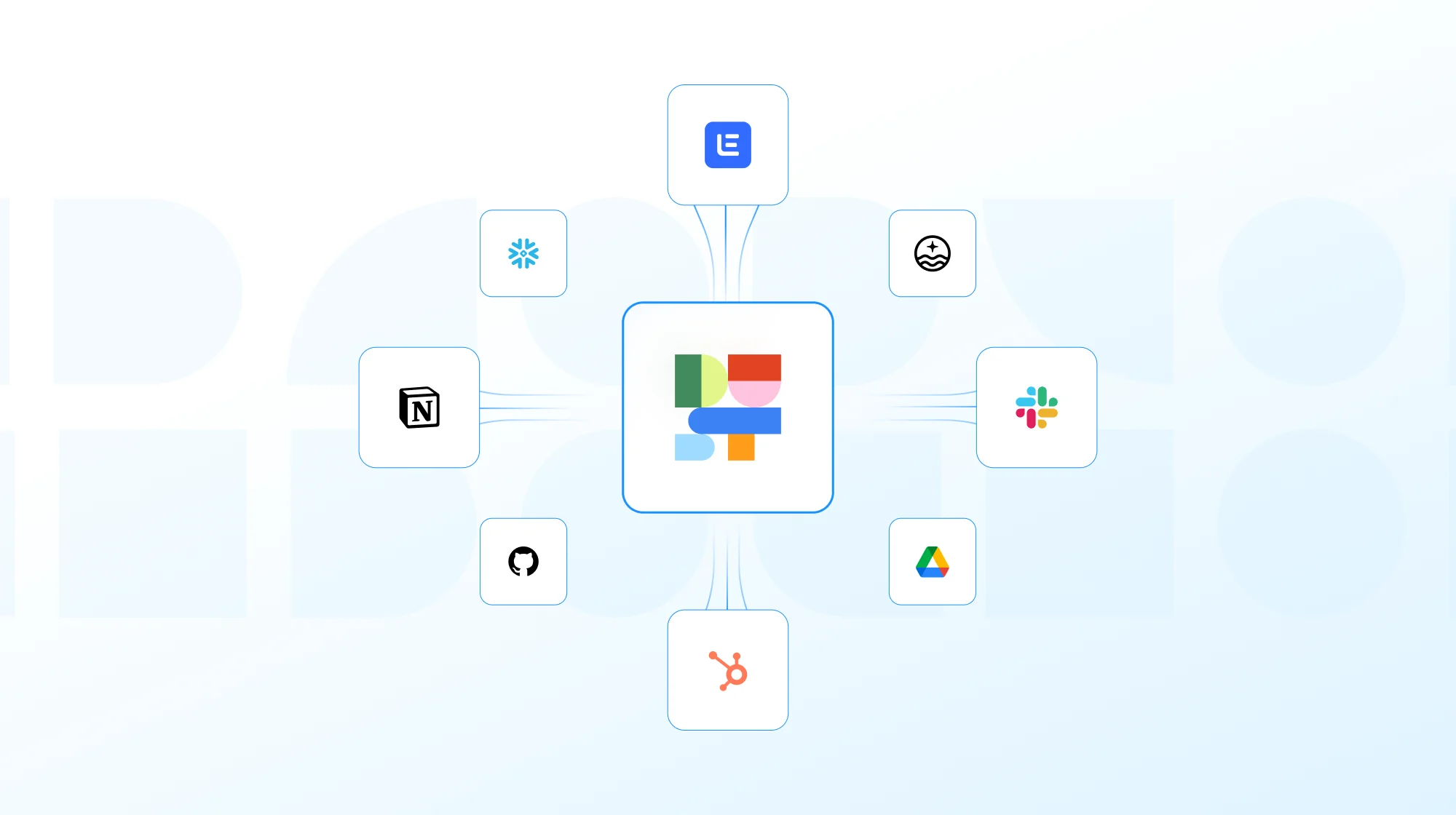
From automation flows to agent orchestration: how I rebuilt my outbound stack on Dust
When I joined Dust, in my first week I did what I knew to automate my work: creating n8n flows to handle a part of my outreach operations.
I spent over two hours building a routing system to centralize all my outreach signals into the right Slack channels, adding buttons triggering additional actions.
Once I finished, I presented it to the team. Here's the first reaction I got ⤵️
Thanks for that Nico!
So, a bit skeptical at first, I tried to rebuild the same system in Dust.
And magic! In 15 minutes, I created my Lemlist trigger, crafted a ready-to-deploy agent with Sidekick (our feature to create agents).
No need to create a logical flow to route to the right channel or tag the right person: the agent understands the context, finds the right Slack channel and person ID, and routes everything to the right place.
I had exactly the same output, except this time it wasn't a brittle flow I'd have to maintain every time something broke or changed. It was an agent that could understand context, adapt to new inputs, and be extended in seconds.
Since then, I've been building what I call my Growth Outbound OS on Dust: a fleet of agents connected to my tools stack (Lemlist, Fullenrich, Notion, HubSpot, Slack, Snowflake...), and also connected to sub-agents. They cover the entire outreach cycle, from creating campaigns to monitoring every interaction in real time to reporting across all my tools.
And the cherry on top with Dust: every agent I've built is available to the entire Dust team. Anyone can trigger them, anytime, from anywhere.
Through this article, I want to show you how I use Dust in my daily outbound work, with concrete use cases.
Creating campaigns in minutes
I run a lot of outreach campaigns on Lemlist, constantly testing new CTAs, personas, and angles.
Now I manage it all from a single Dust conversation, with my @Lemlist_Crafter agent connected to Notion, Slack, HubSpot, and Lemlist.
I brief it on the target persona, geography, and goal. It selects the right resource for the right profile, writes the full email and LinkedIn sequence, and creates the Lemlist campaigns with the right names, labels, and structure. Everything is pushed and ready to send in one session.
But speed is only half the story. What makes the campaigns land is that Dust doesn't just help me write. It helps me decide what to say, to whom, and why.
It's not a better copywriter because it writes better sentences. It's a better copywriter because it knows what to say. When I'm targeting RevOps leaders in fintech, it pulls from our actual customer stories: Qonto saving 50,000 hours a year, Pennylane giving every new hire day-one productivity, Spendesk going from 0 to 90% adoption in six months.
It knows which angle lands for which persona, what we've published, what events we've run, what the team has learned from past campaigns. The copy isn't generic AI output. It's grounded in everything we know, activated on demand.
Instant Slack notifications: every interaction, in real time
Once campaigns are live, the next challenge is knowing what's happening, in real time, to kill the SLA and stay reactive within minutes.
This is where the agent described in the introduction starts (@Outbound_Notifier): it triggers a Slack notification every time someone interacts with one of my campaigns, whether that's an email reply or a LinkedIn message. Everything flows into a dedicated channel automatically, with one extra layer on top: the agent analyzes the temperature of the reply. Hot, warm, cold, out of office: each signal is classified before anyone even reads it.
From that same Slack thread, BDR and Growth teams can call various agents directly:
- @PhoneFinder, calls the Fullenrich MCP to get the prospect's phone number when the signal is strong enough to warrant a call from the BDR team within 15 minutes (tool: FullEnrich)
- @AccountData to get a quick overview of an account based on Hubspot data (tool: Hubspot)
- @LKData to get a quick summary based on fresh data from LinkedIn profiles (tool: RapidAPI)
- @Marketing_Asset_Finder to identify the most relevant content to share based on the prospect's profile and what they said (tool: Notion, Slack)
- @Frame_Outreach to generate a personalized Dust Frame on the spot, built around use cases relevant to that specific person (tool: RapidAPI, Notion)
The goal: making sure we're answering in minutes, with the right level of quality, and bringing enough value to actually move the conversation forward.
Reporting across all sources
At the end of the week, I need a clear picture of what's running and how it's performing: open rates, reply rates, companies engaged, contacts reached, across Lemlist, HubSpot, and anything else running in parallel.
My @Outbound_Reporting agent pulls all of this together. It retrieves data from each source, structures it, and produces one output: the companies we've interacted with most, the people showing the highest interest, the campaigns that are working and the ones that aren't.
The output is a Dust Frame, shareable with a link, droppable in a Slack thread or a weekly sync.
→ Even better: if anyone has a question about a campaign or the number of interactions we've had with a company, they just need to query the agent, it will retrieve the exact information.
Dust as lead magnets machine
Verticalised use cases with Deep-Dive
One of my most productive workflows is using Dust's @Deep-Dive capability to build use cases. I feed it a vertical or a topic (GTM teams, data teams, etc.) and it compiles everything relevant from our customer stories, case studies, and ROI data into a structured document.
- @deep-dive triggers a fleet of sub-agents that split the work into batches of various tasks
- Each sub-agent then queries the relevant tool to retrieve the right data
- A final sub-agent takes all the content and writes the final version
From there, I turn it into a shareable Dust Frame.
They're structured, REX-rich documents that front-load the ROI and respect the fact that people skim. Dust makes it possible to ship two in a week without starting from scratch each time.
Personalized comic books
And then there's the format that makes people stop scrolling.
Big shoutout to Nic Siegle from our GTM team for this one.
He built an agent to create a lead magnet unlike anything I've ever seen: a fully personalized comic book, generated from a prospect's name, LinkedIn profile, and picture.
And once again, here is the key element with Dust, when someone on the team builds something, everyone can use it immediately.
Nic spent time building the agent once, and now the whole GTM team can generate a personalized comic book for any prospect, with zero extra effort.
The output is a multi-page, hero-narrative comic built as a shareable Dust Frame. 100% personalized, pulling real context from the contact's LinkedIn profile to make the story actually relevant to them.
When it lands in a prospect's inbox, the reaction is about the same ⤵️
What this actually changes
This shift isn't really about speed, even if the speed difference is real. It's about what becomes possible when your tools share a brain.
Every agent I've described here knows the same things: our customers, our content, our personas, our past campaigns. They don't operate in isolation. When I'm monitoring replies and something looks interesting, I can draft a follow-up, find the right asset, and generate a personalized Frame without ever switching context.
I went from maintaining automation flows to orchestrating agents. The maintenance overhead disappeared, and the surface area of what's possible expanded well beyond what I was trying to do before.
That's the real unlock. Not doing the same things faster, but finally being able to do the things that were never worth attempting.
Build your Growth Outbound OS on Dust. Get in touch →